Some guitars arrive needing a repair. This one arrived waiting to become a guitar. Its owner had spent more than ten years collecting parts for a project he affectionately calls his “FrankenBullet”: a 1982 American Fender body matched with a 1983 Japanese Squier neck.
The parts were there. The idea was there. Life just kept getting in the way of putting it all together. Eventually, he handed the project over to Golden Guitars so we could bring his long-running idea to life.
Before & after
Tap a photo to enlarge it, read its caption, or leave a comment.
Before
12 photos
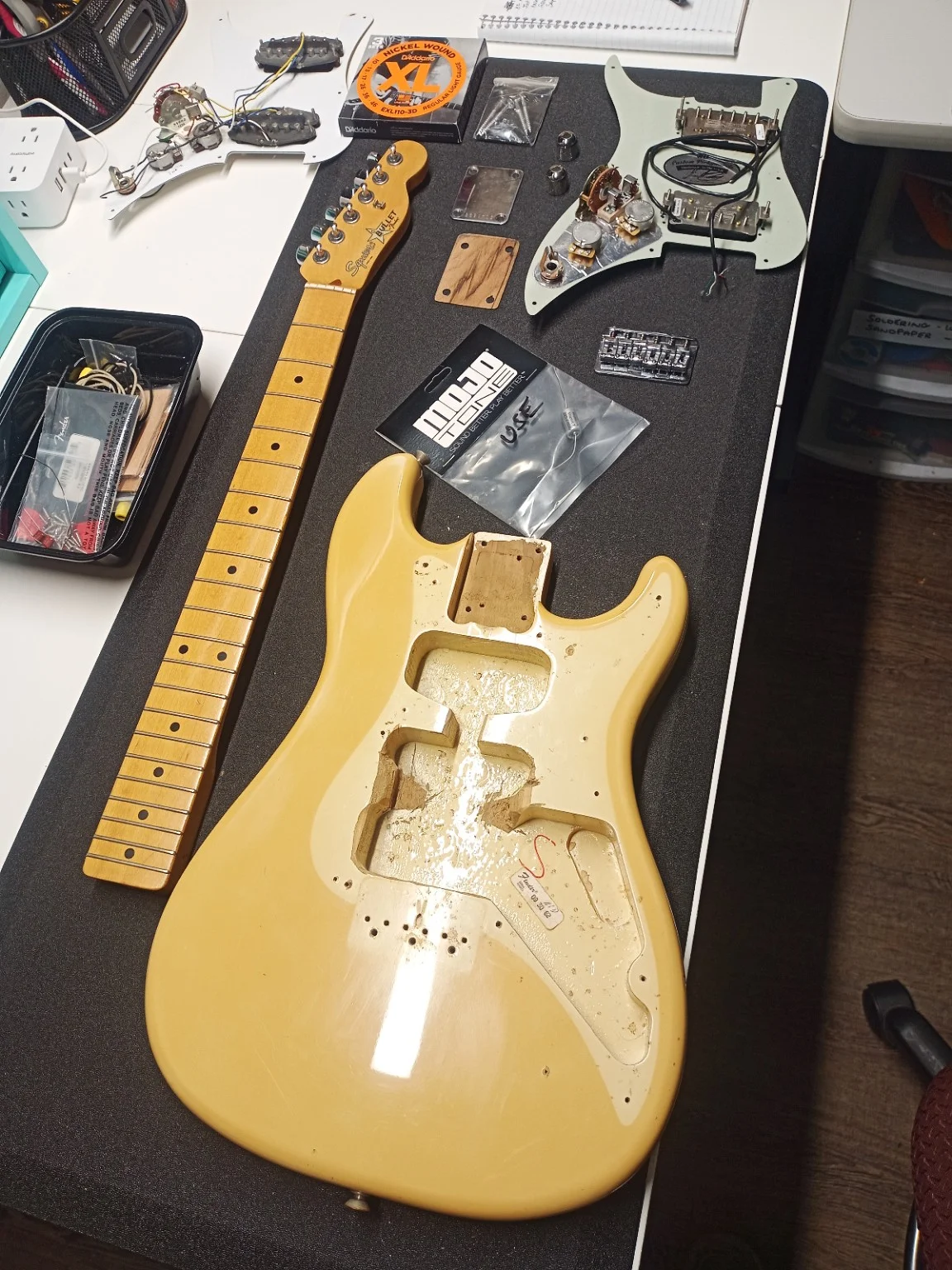
The starting point: the Fender body, Squier neck and collected parts, ready to become the FrankenBullet.
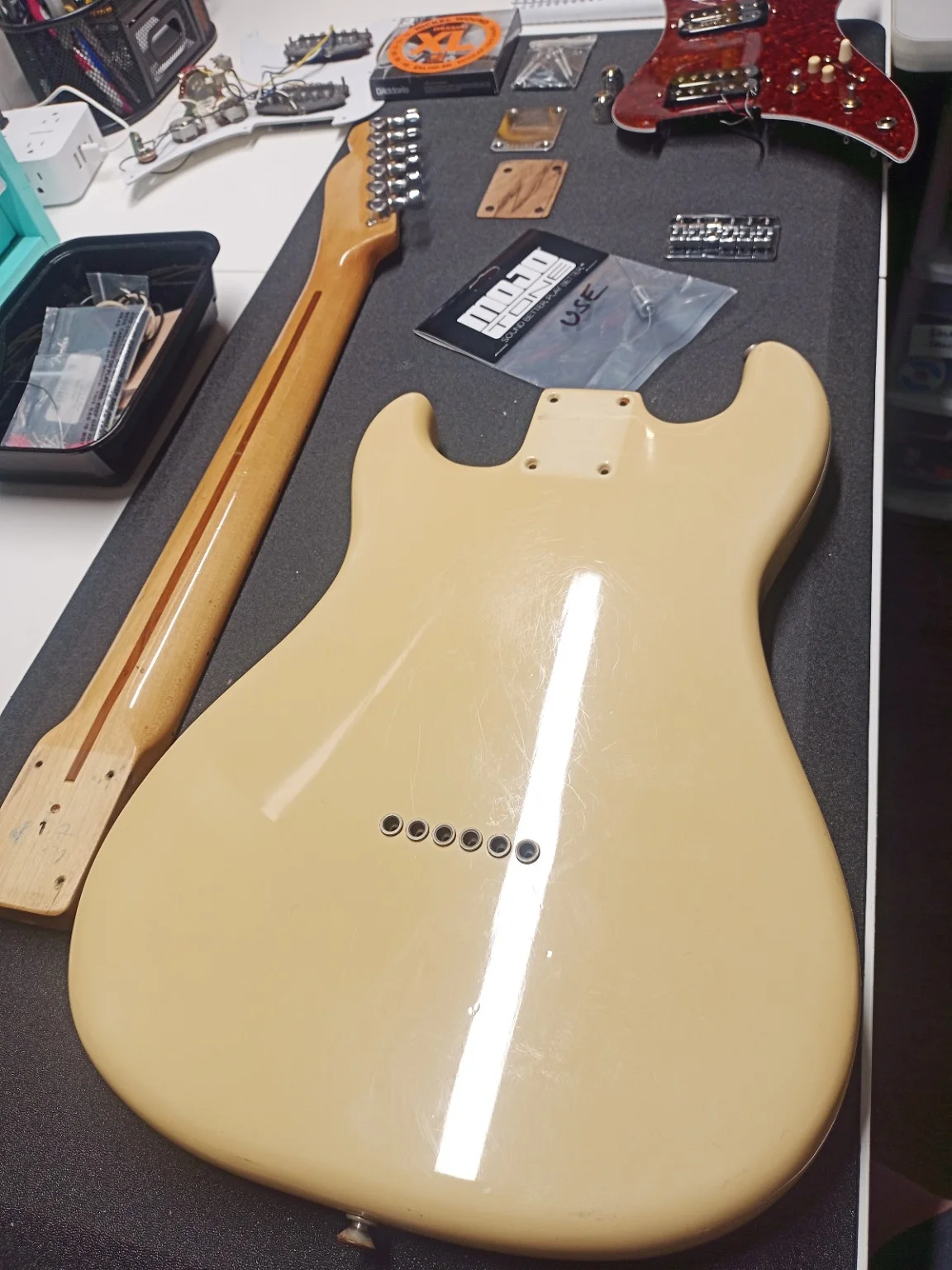
The body and neck before assembly, with the guitar's existing character intact.
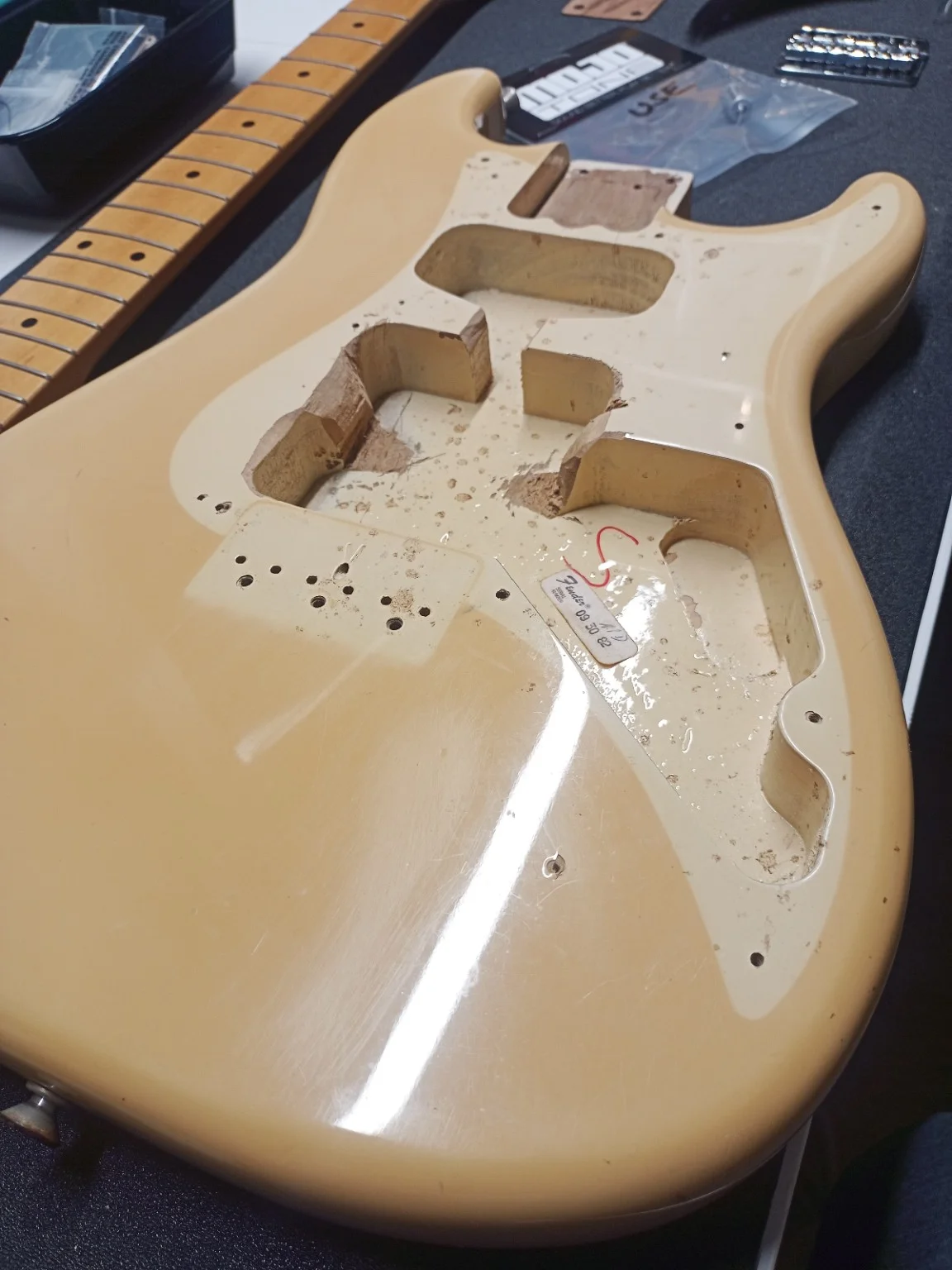
The body routing and pickguard mounting area, documented before assembly.
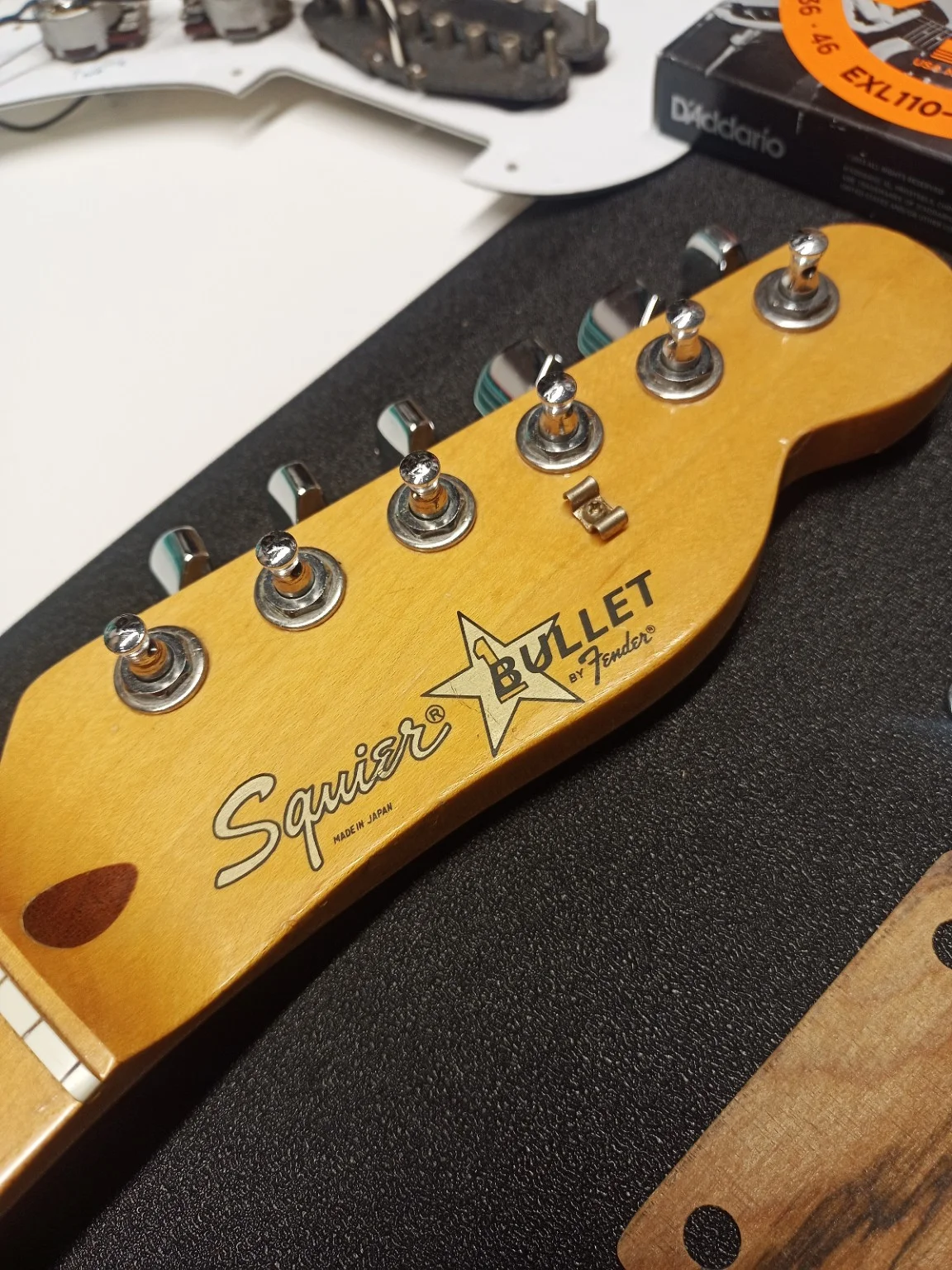
The Squier Bullet headstock at intake, before the neck was fitted to the body.
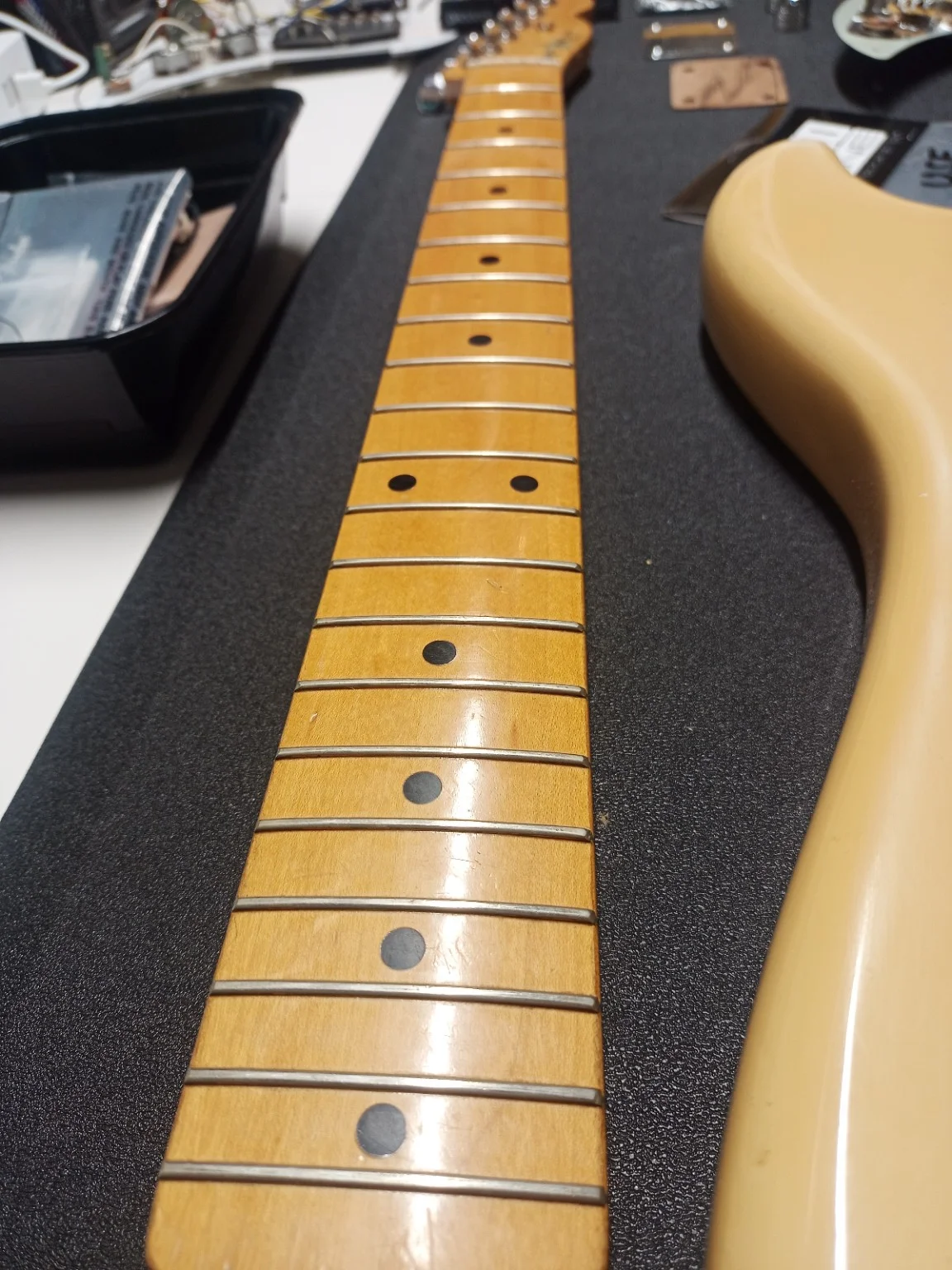
The maple fretboard and frets before inspection and setup.
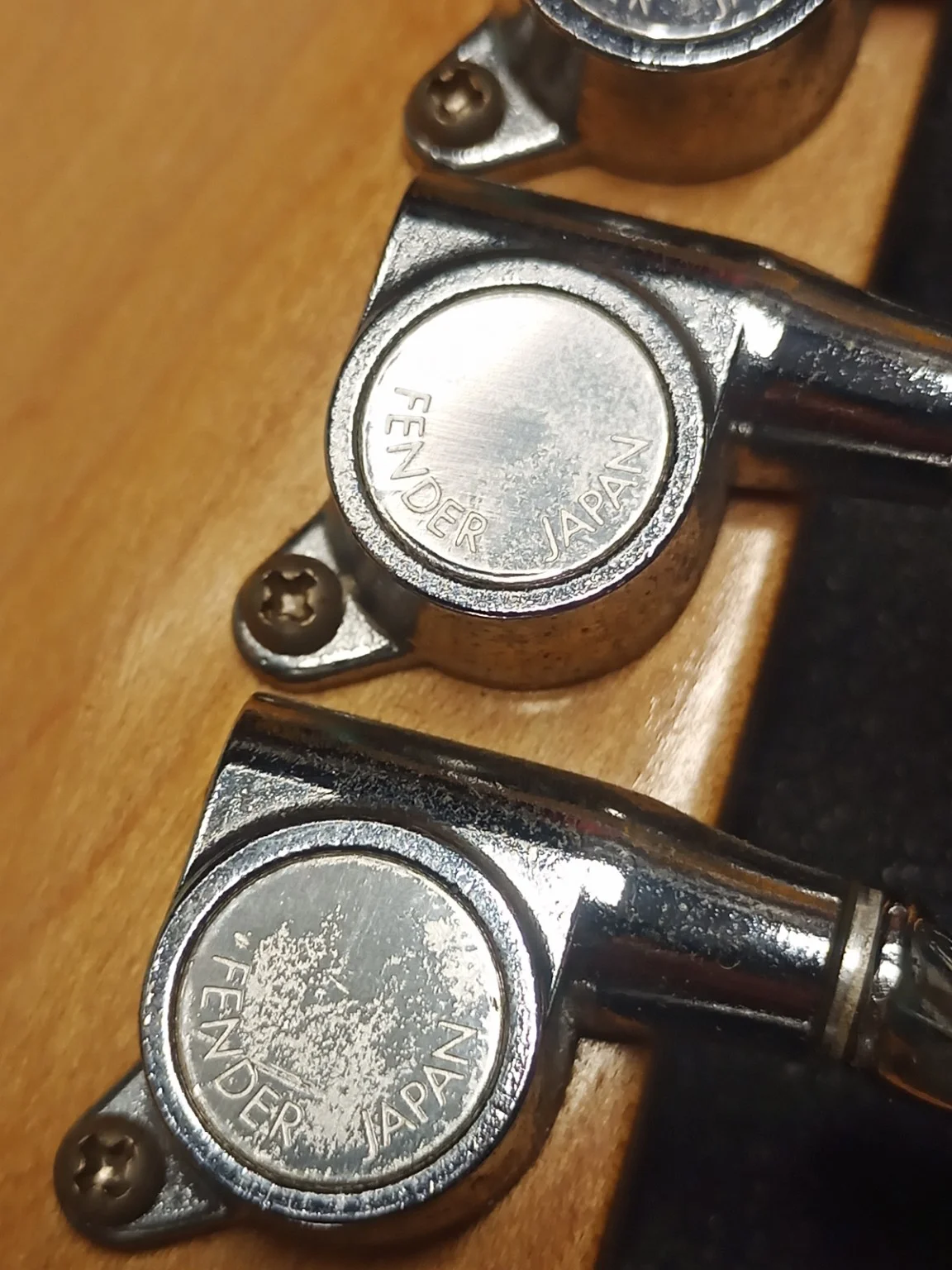
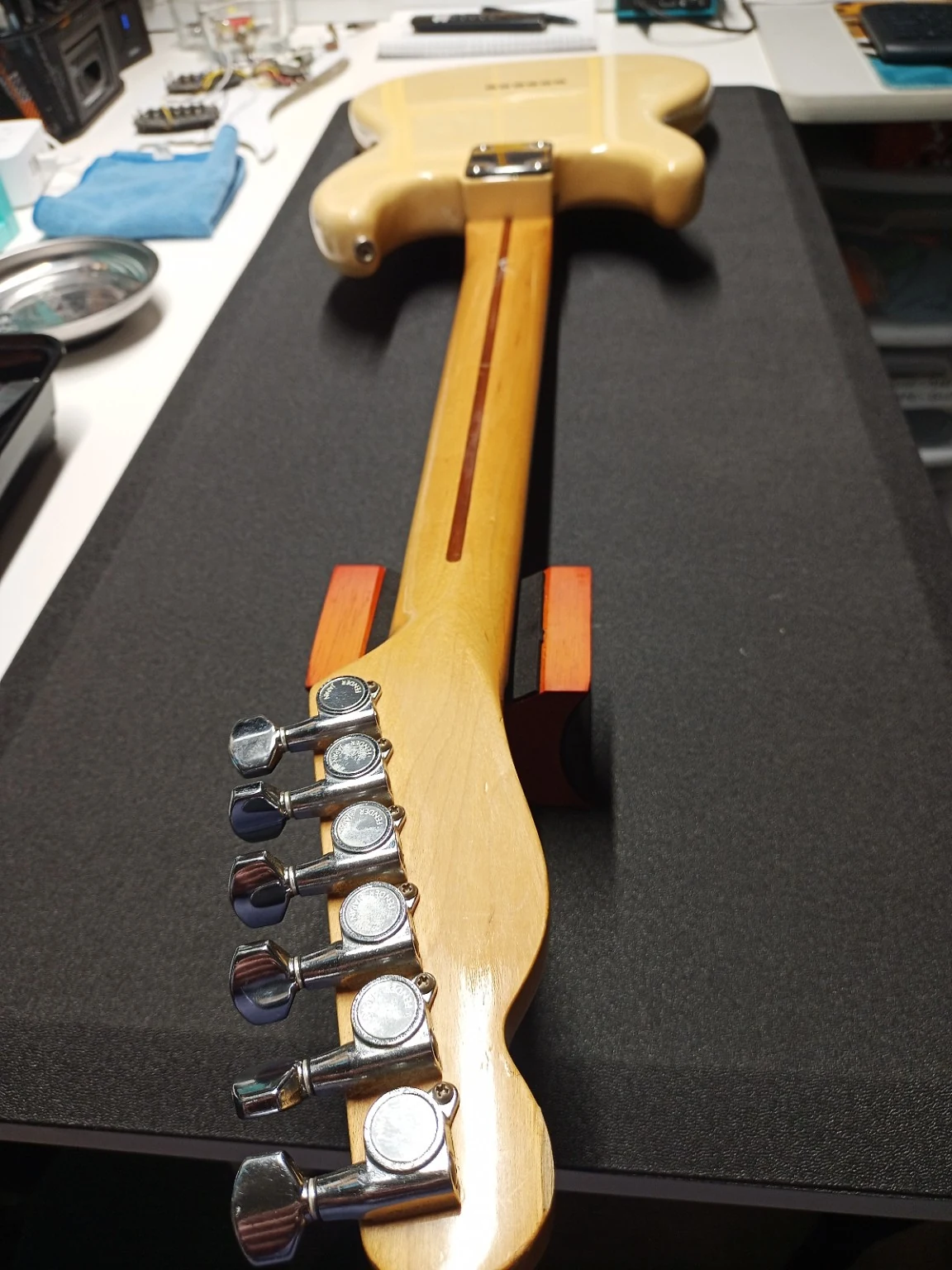
A close look at the Fender Japan tuning machines on the neck.
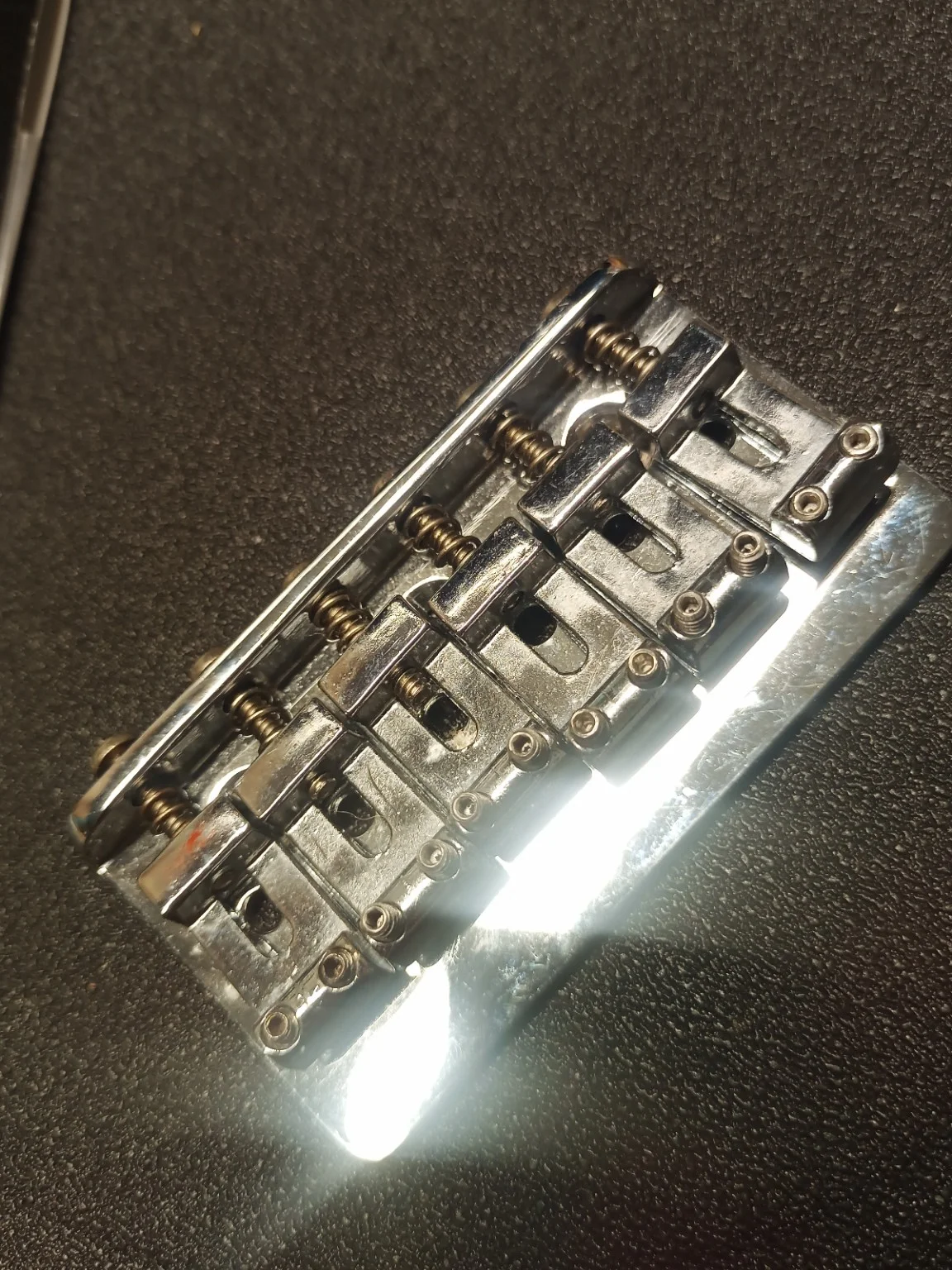
The bridge before it was mounted to the body.
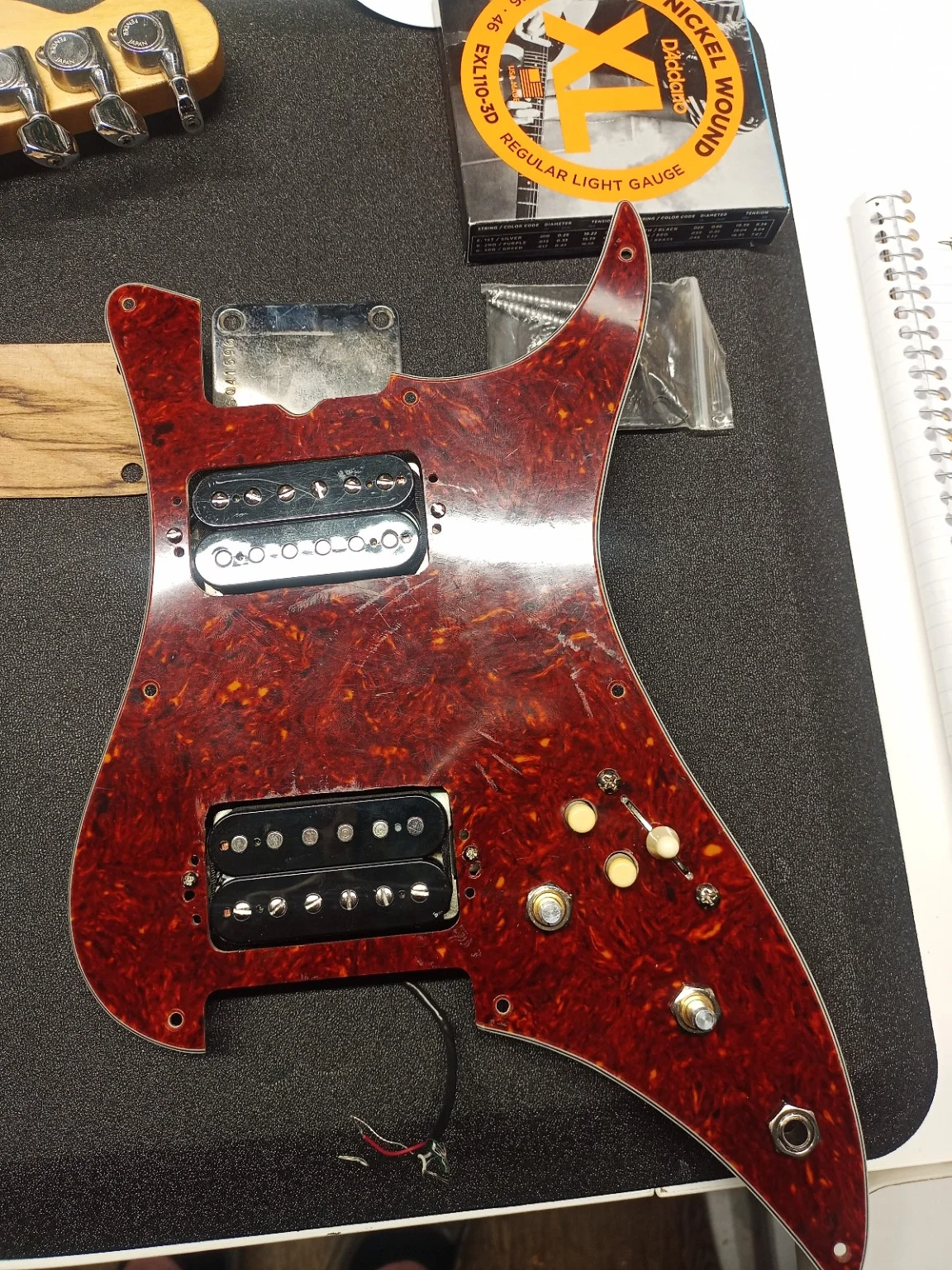
The loaded pickguard as it arrived, with the components mounted and the wiring still to be completed.
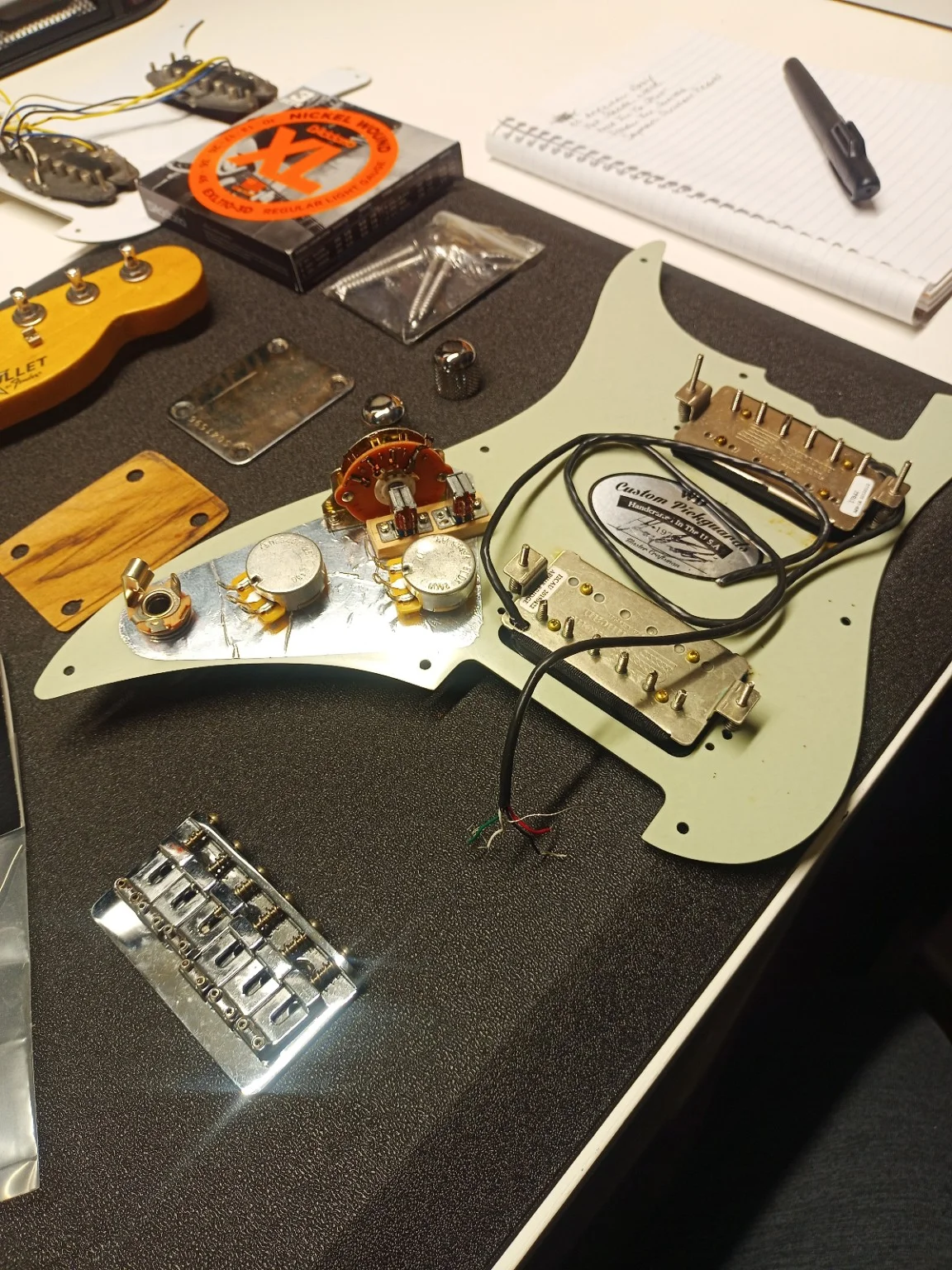
The collected hardware and electronics laid out on the bench before the build.
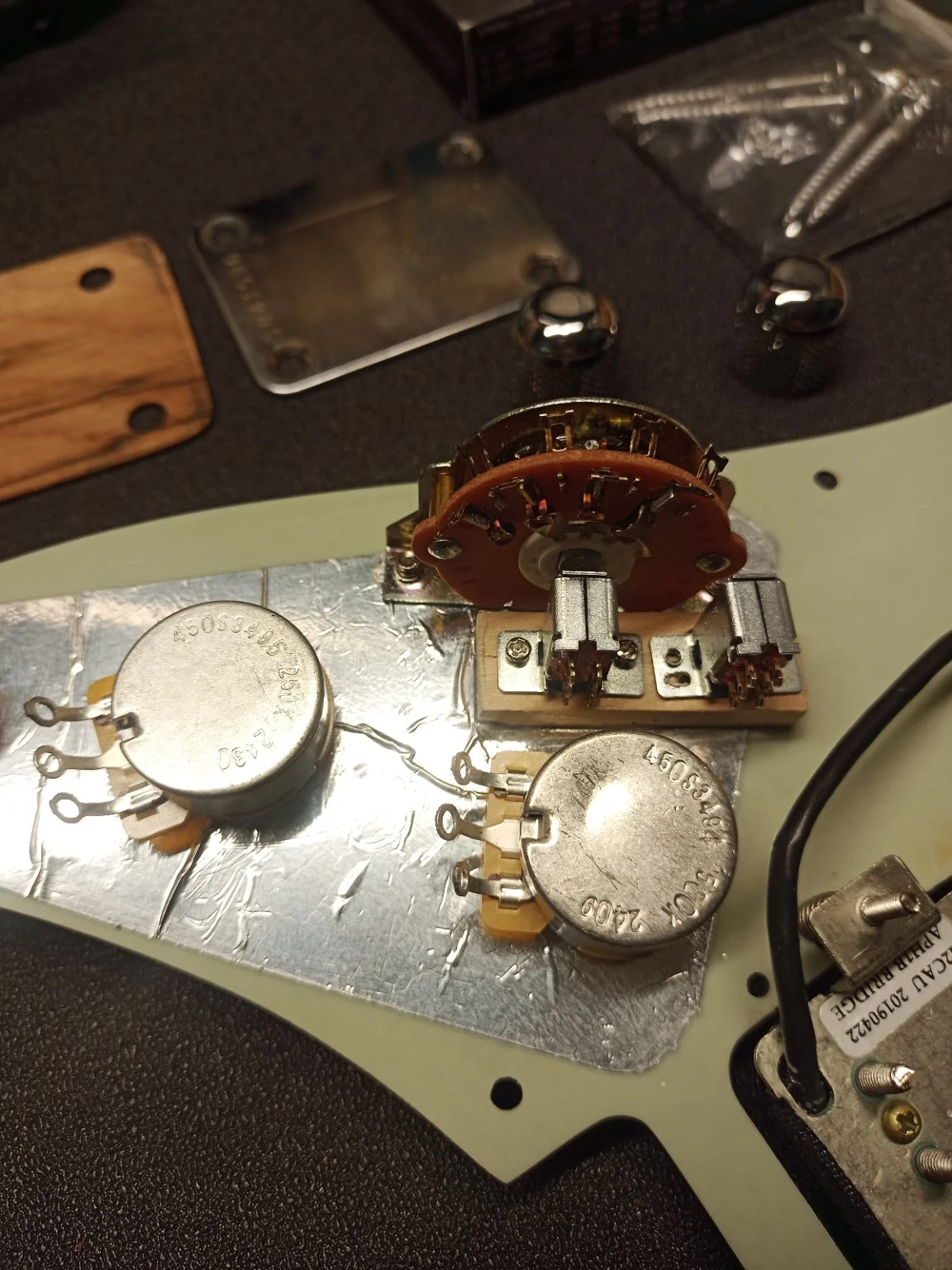
The volume and tone pots and three-way selector before the circuit was wired and soldered.
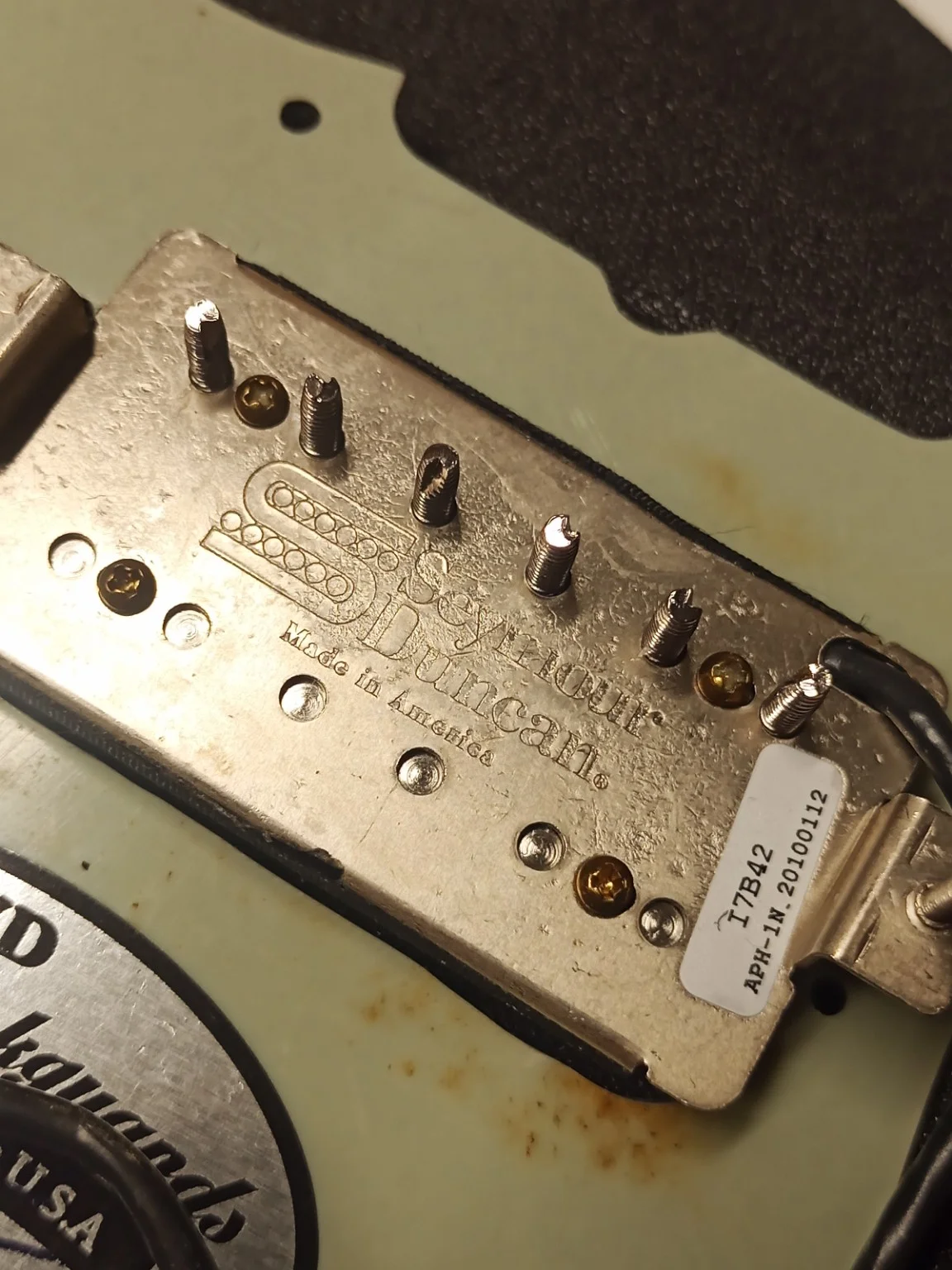
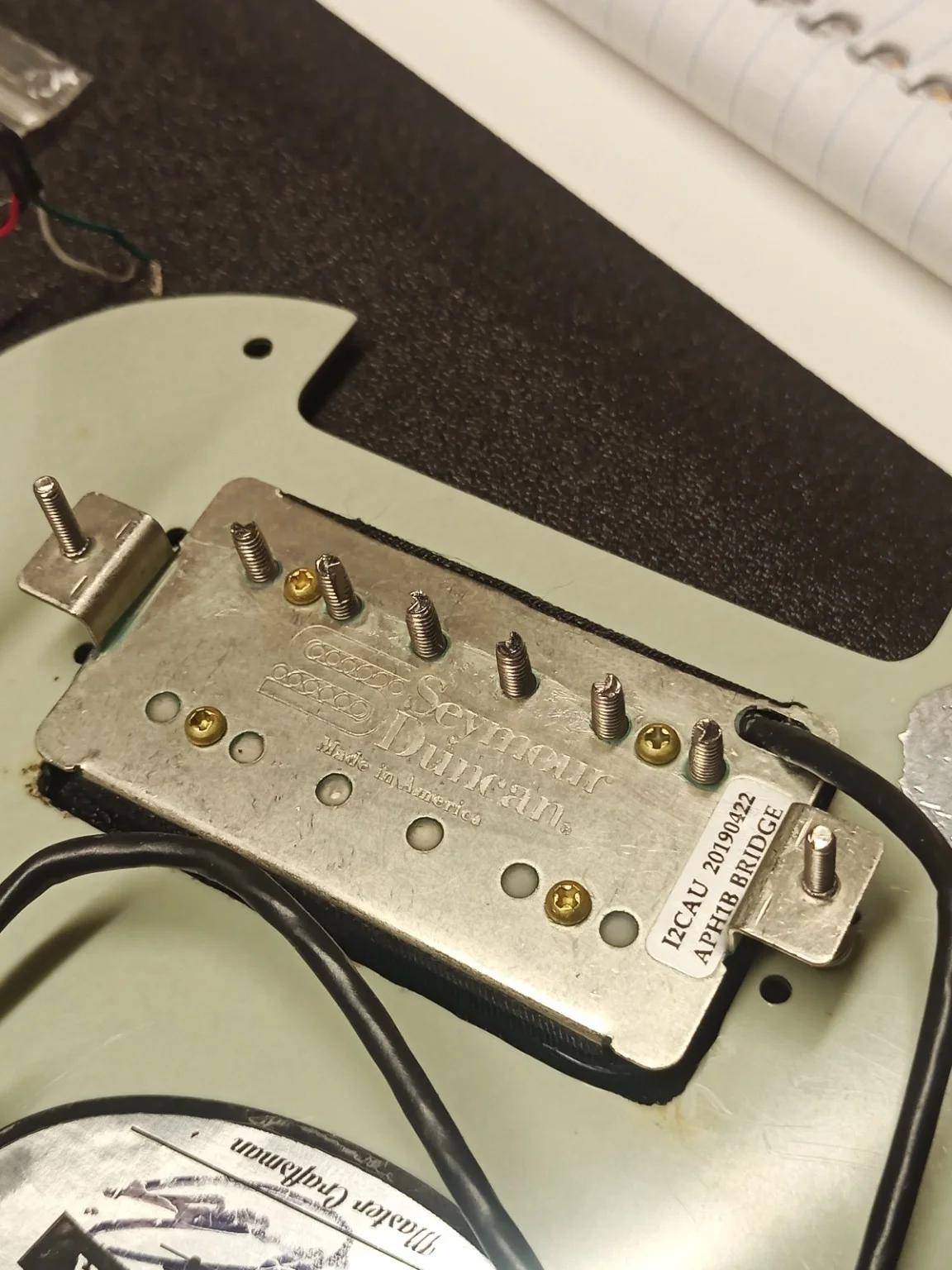
One of the humbuckers, with its underside and identifying markings documented at intake.
The second humbucker and its lead wire before the electronics were connected.
After
12 photos
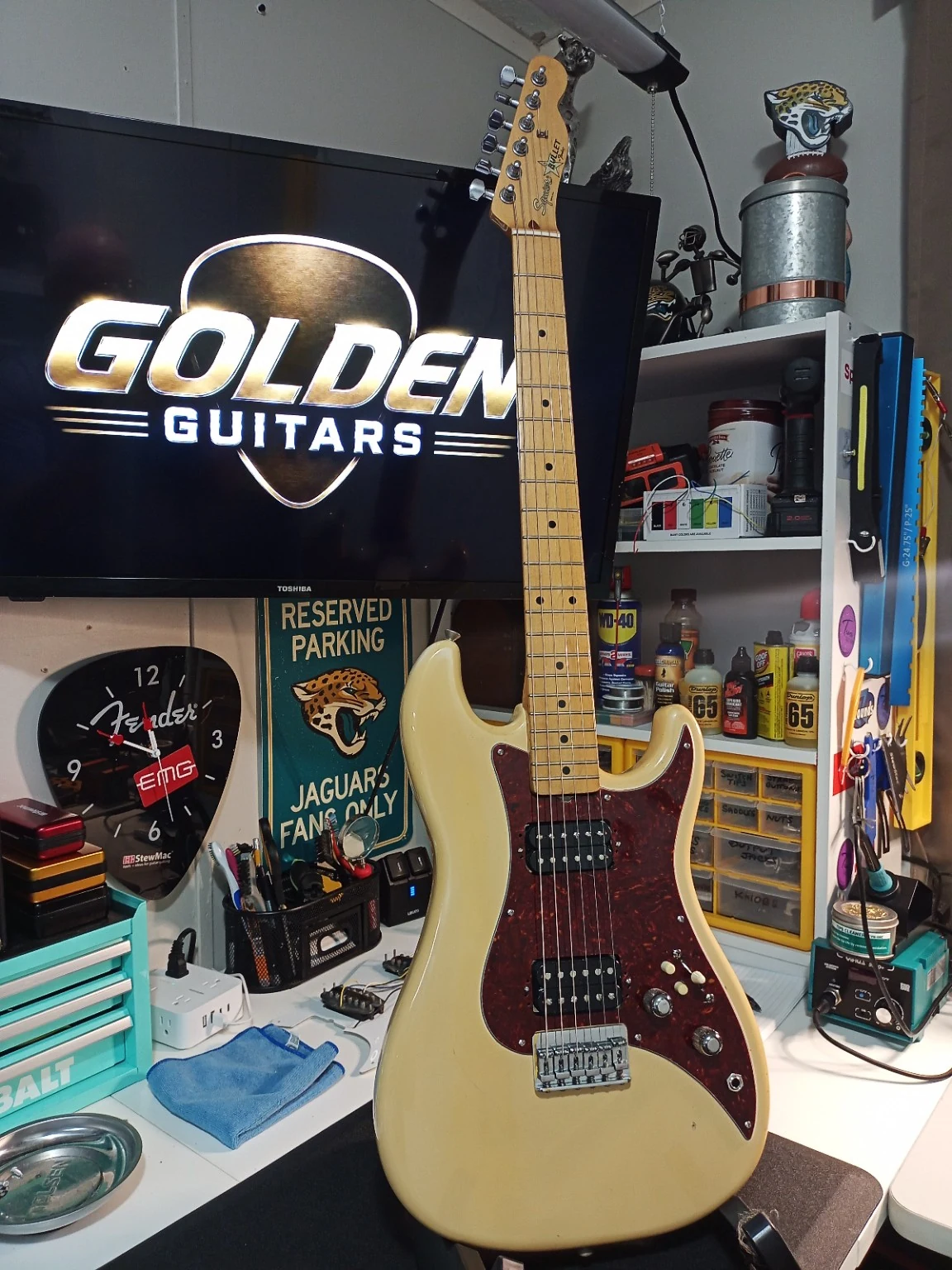
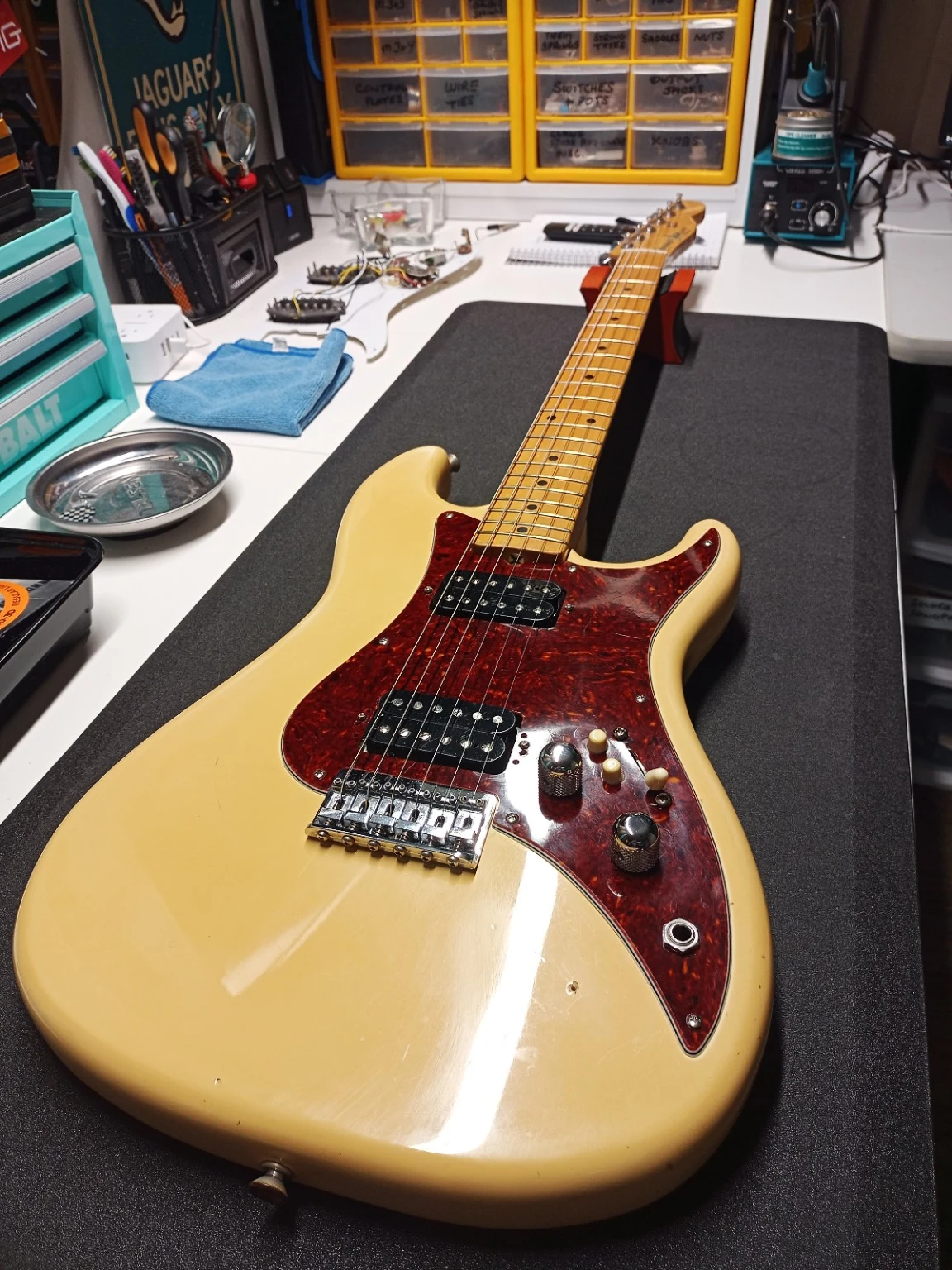
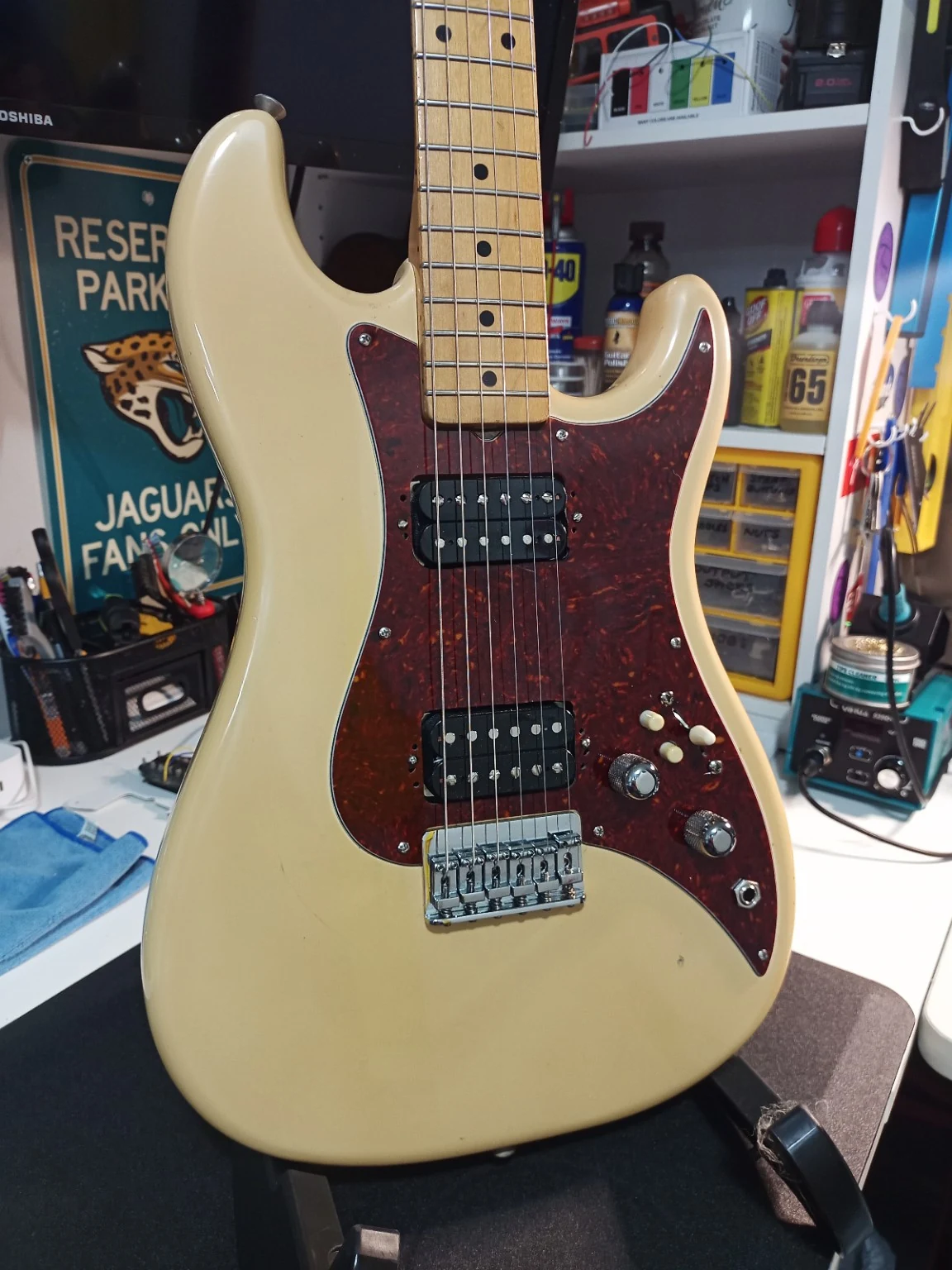
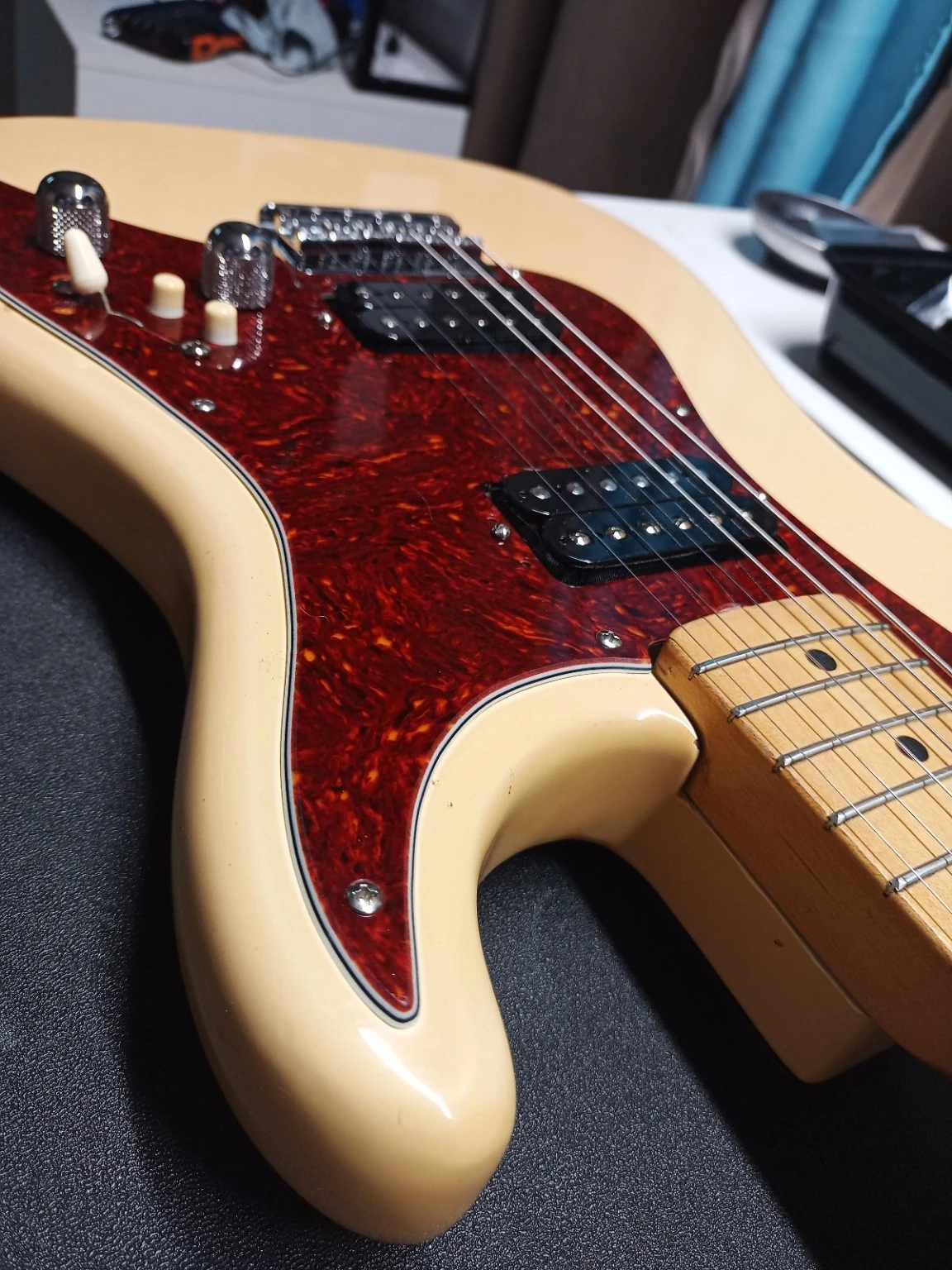
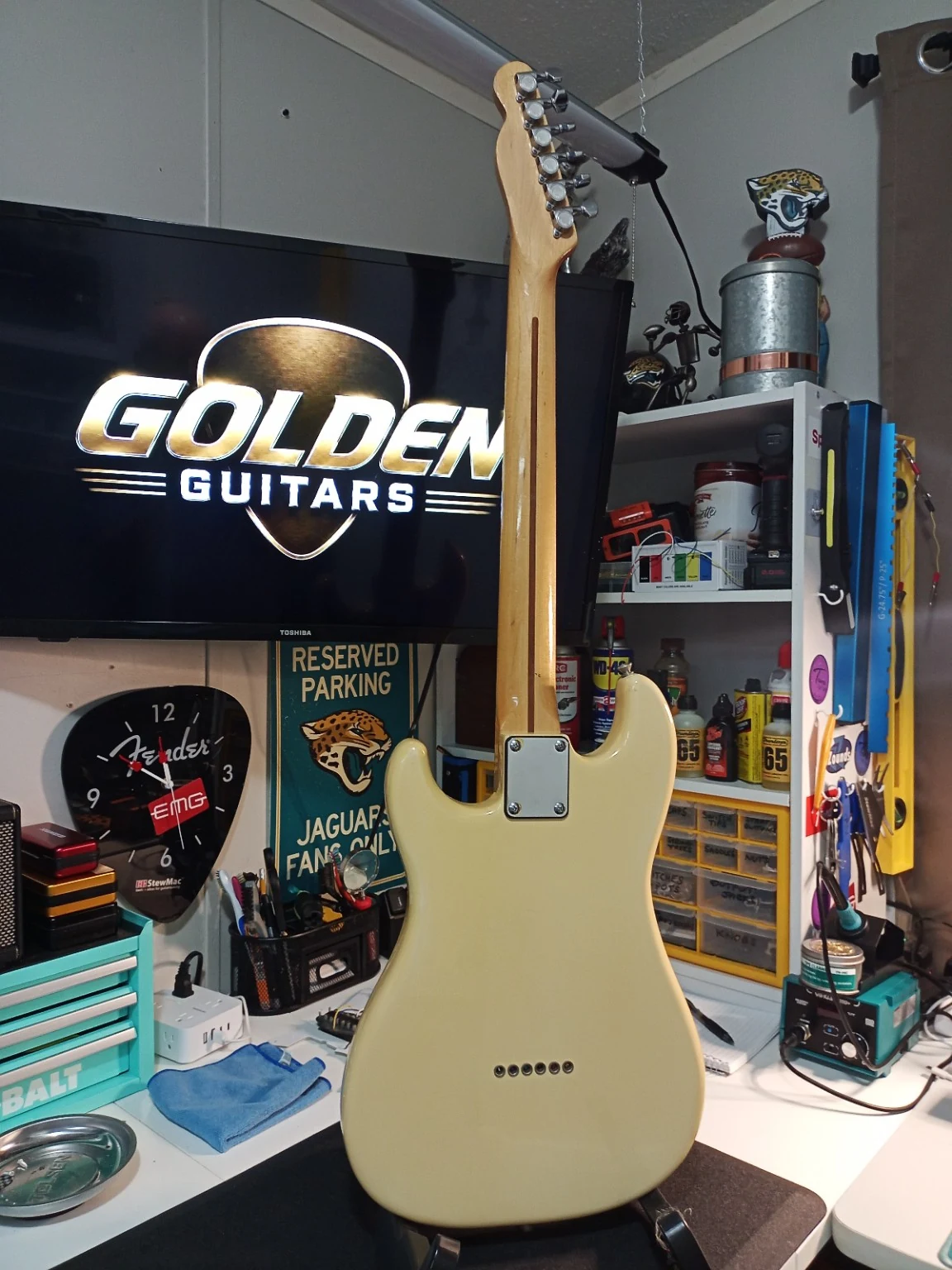
The FrankenBullet, finally together and ready to play after more than ten years in the making.
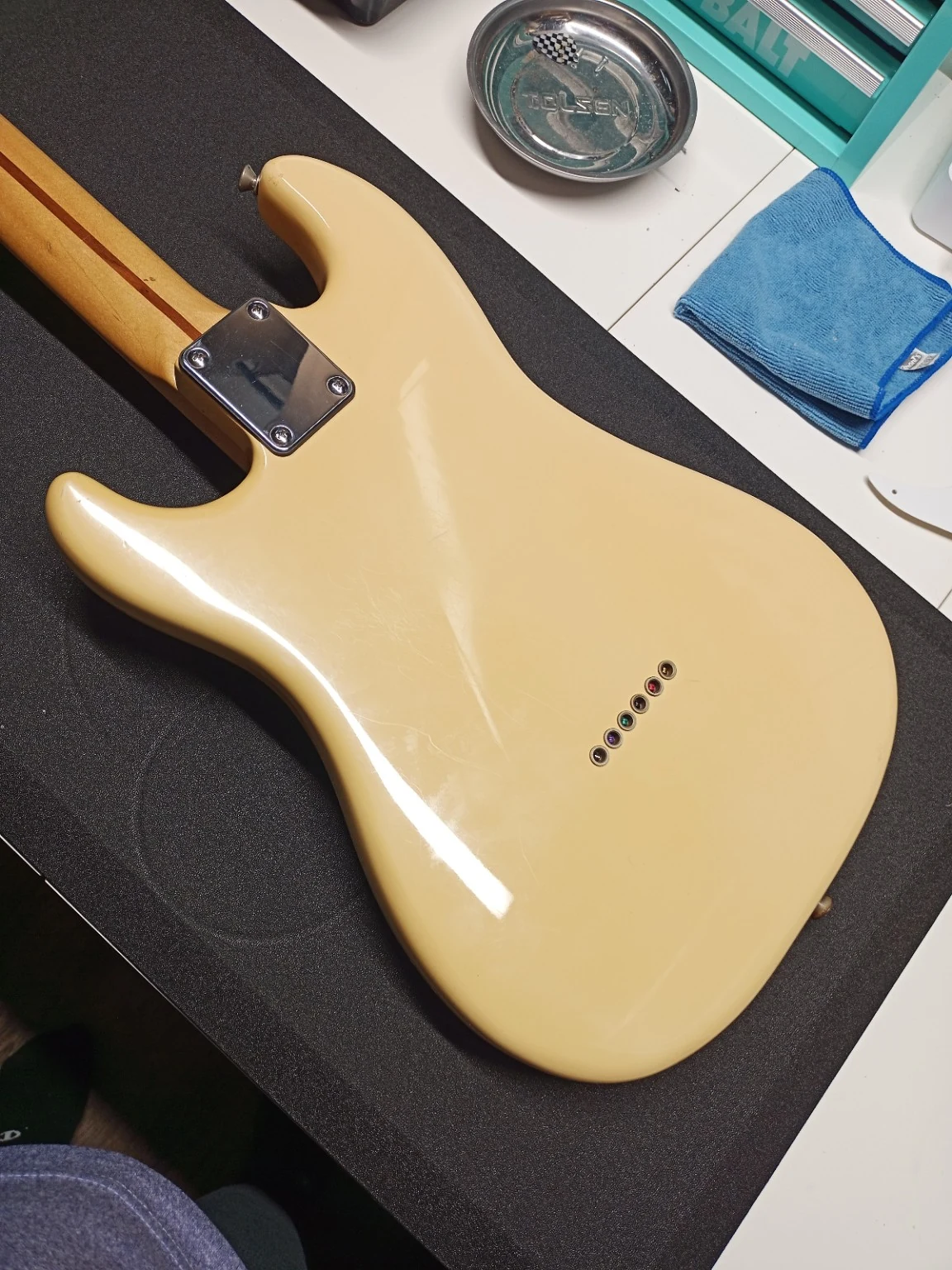
A 1982 American Fender body paired with a 1983 Japanese Squier neck.
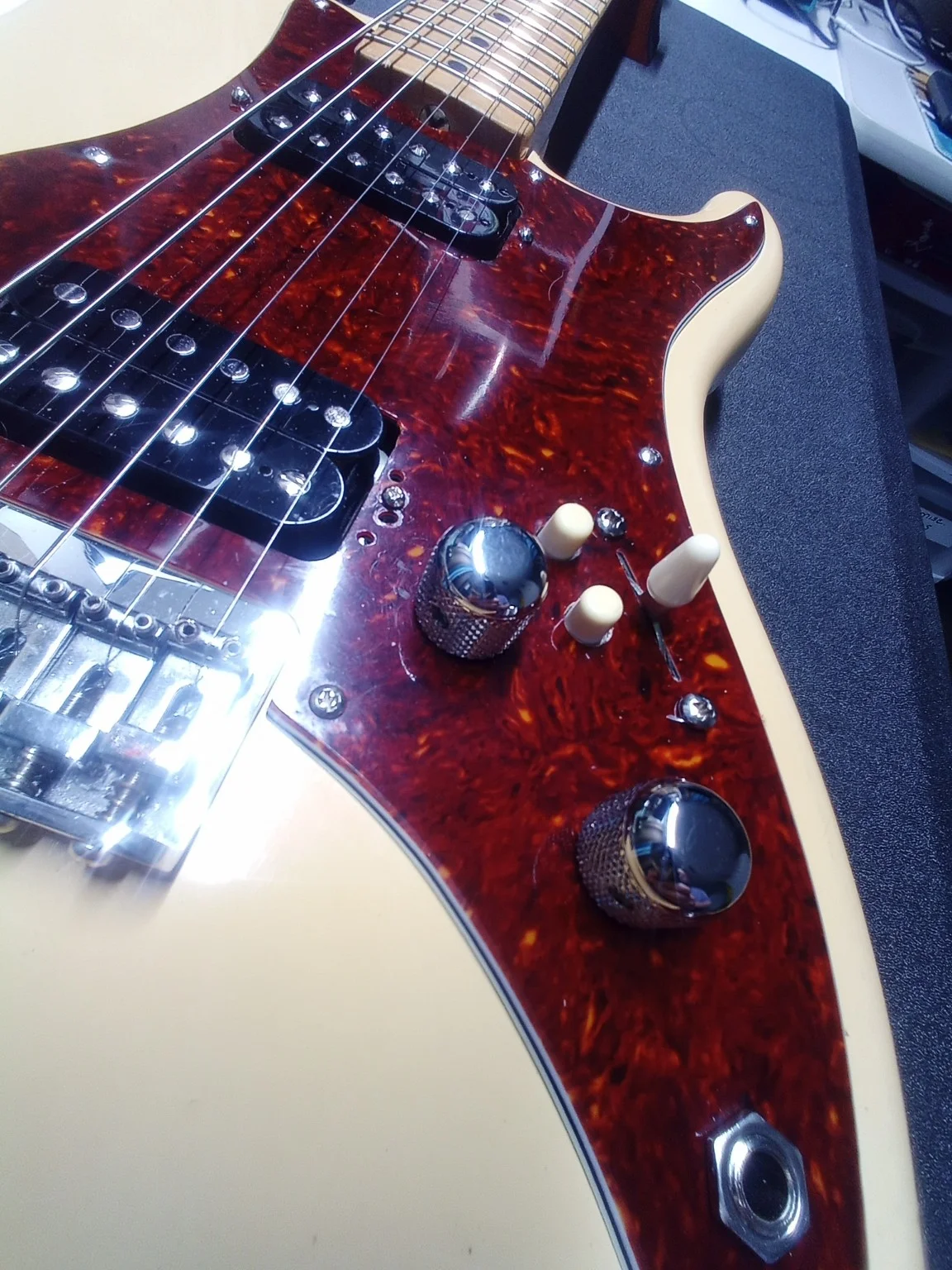
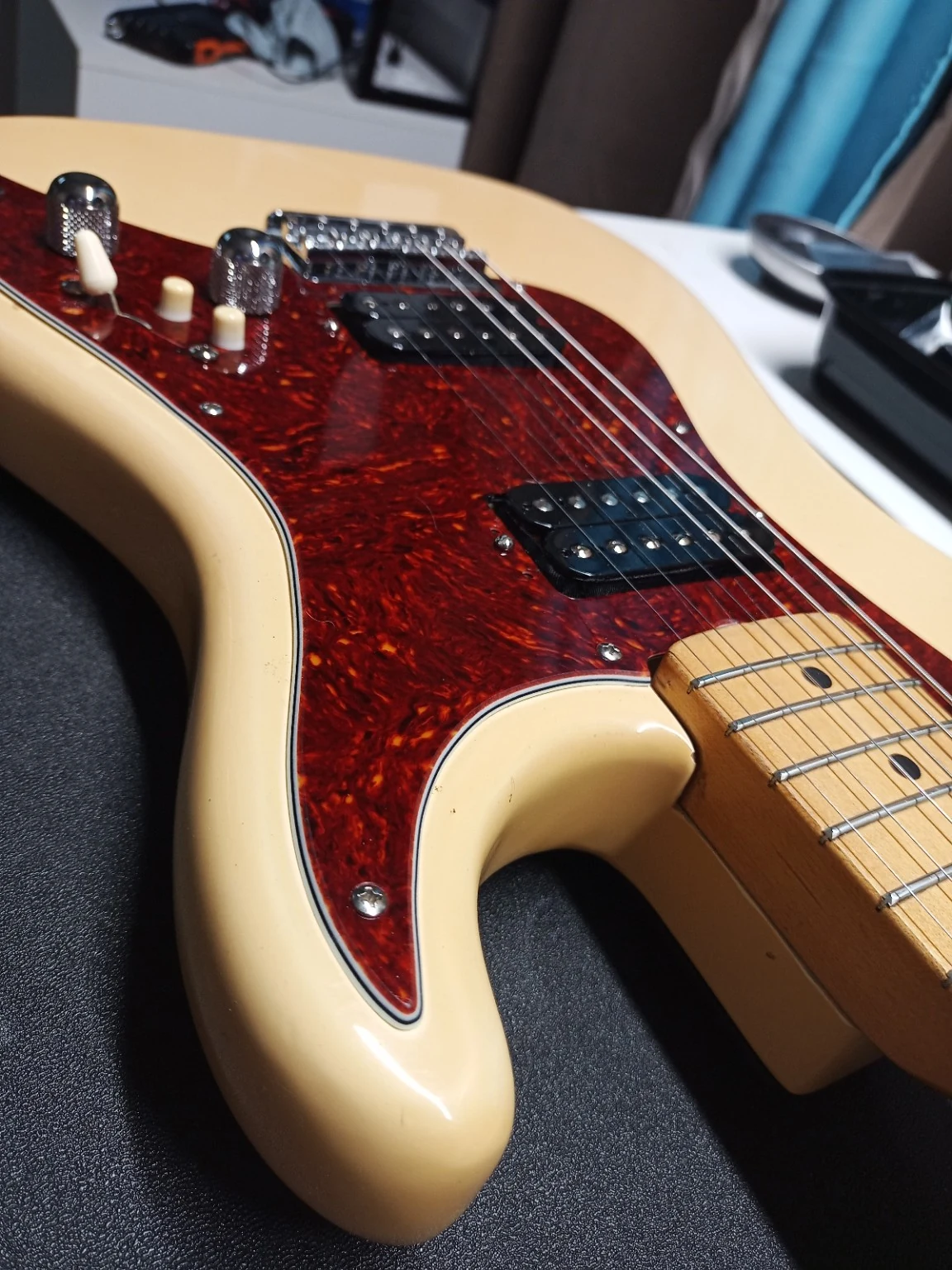
The completed pickguard, bridge and electronics fitted to the body.
One volume, one tone, a three-way selector and independent coil splits for the two humbuckers.
Two humbuckers, each with the option to switch to a single coil.
All pickguard components wired, soldered and tested before final assembly.
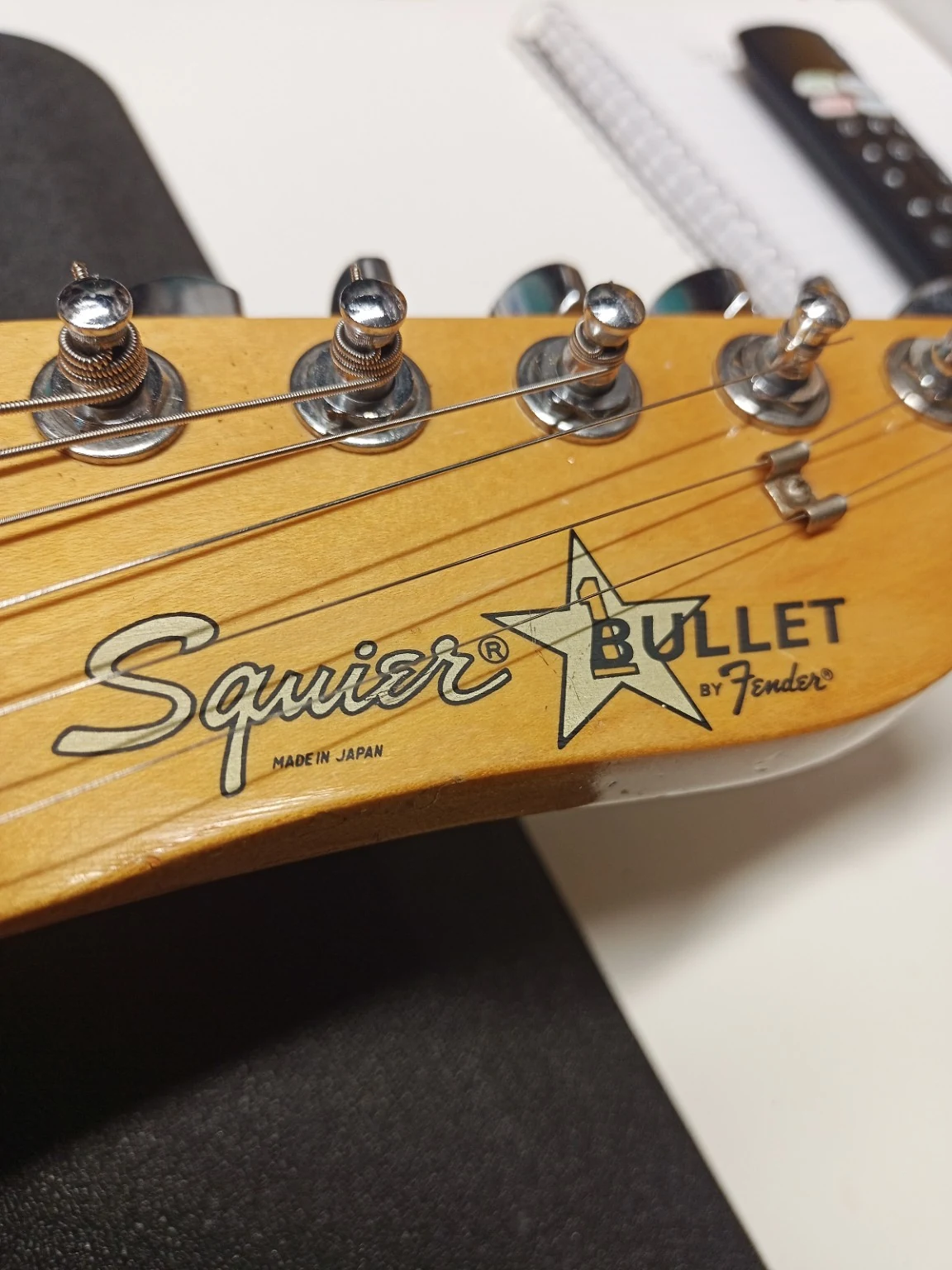
The Squier Bullet headstock that gives this one-of-a-kind build its name.
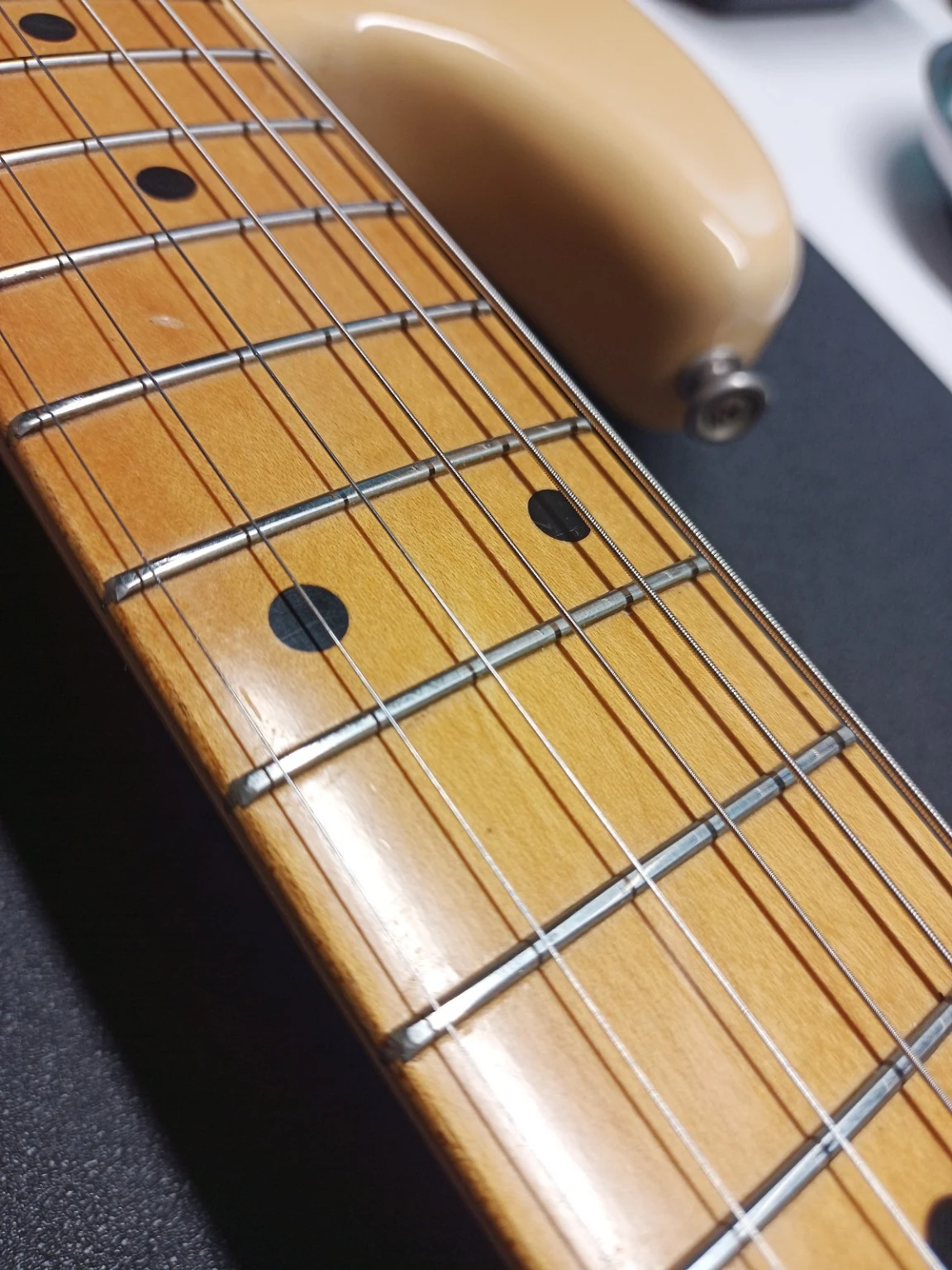
Very little fret wear, and no high frets found during the fret-rocker inspection.
The Japanese Squier neck, inspected and fitted to the Fender body.
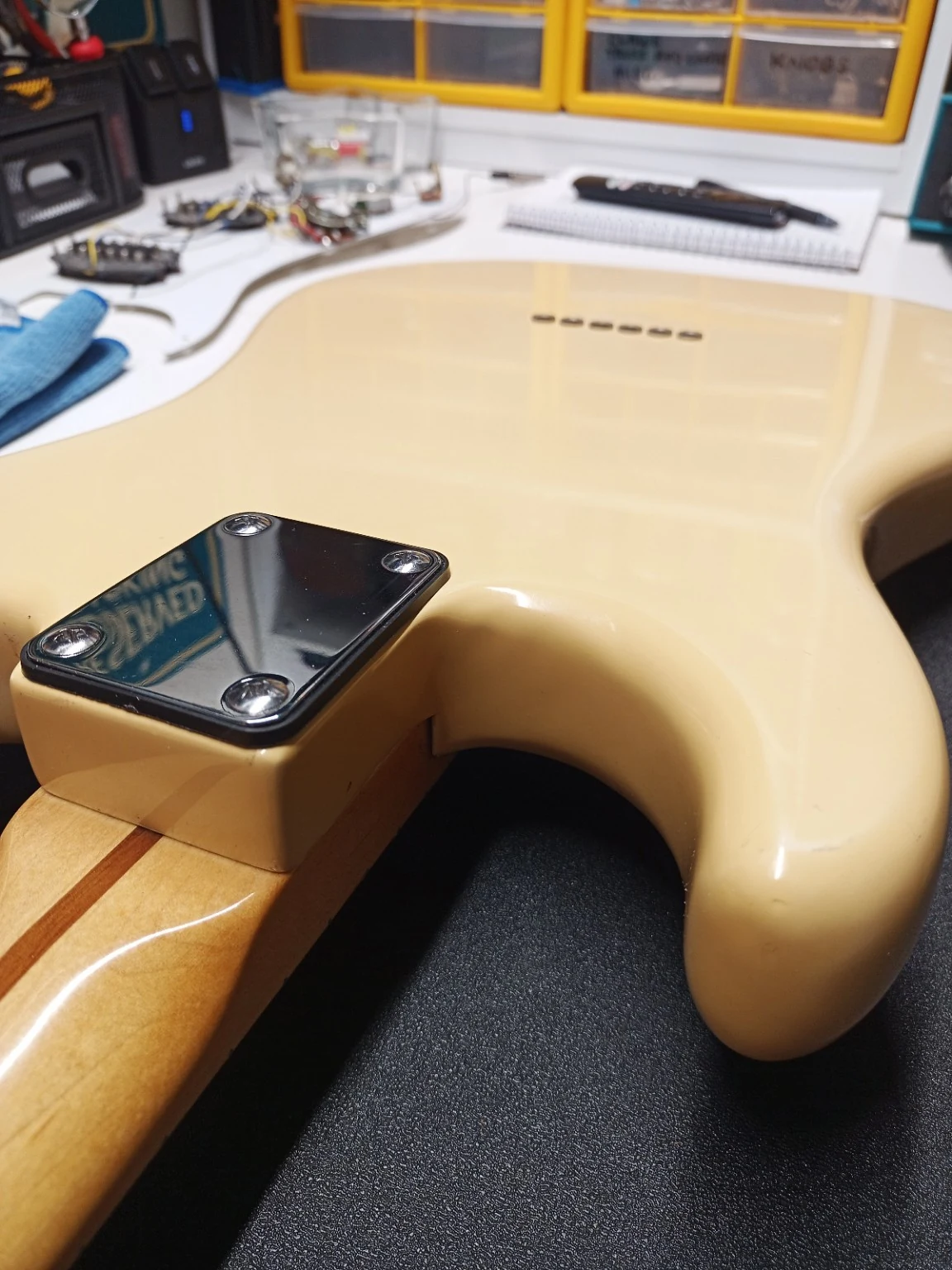
The neck and pocket were checked for a proper fit before the neck was attached.
A quick wipe-down only, exactly as the owner requested. The mojo stays.
Assembled, set up with D'Addario .010-gauge strings and play-tested up and down the neck.
Giving the Pickguard Its Voice
The pickguard arrived with its components already mounted: two humbuckers, a 500K volume pot, a 250K tone pot, a three-way selector, a .022 µF capacitor and two mini coil-split switches. What it needed was the wiring and soldering to make everything work together.
We completed the circuit and tested the pickups, selector and controls before installing the assembly. Each humbucker has its own coil-split switch, giving the owner full humbucker sounds, brighter single-coil options and several blends of the two.
Bringing the Pieces Together
Once the electronics checked out, the pickguard and bridge were mounted to the body. Everything lined up well. The neck and neck pocket were then inspected for a proper fit, and the neck went on without any issues.
After years as a collection of parts, the FrankenBullet was finally taking its finished shape.
A Neck Worth the Wait
The 1983 Japanese Squier neck was a highlight. The frets showed very little wear. With the neck adjusted close to straight for inspection, we checked the frets with a fret rocker and found not one high fret. No fret leveling was needed.
It was a lovely example of the craftsmanship that makes these early Japanese necks so appreciated. The guitar then received a full setup with fresh D'Addario .010-gauge strings, followed by a play-test up and down the neck.
Don't Disturb the Mojo
The owner had one very clear request: no buffing out the paint, no full spa day, and no detailing away the guitar's character. Just a quick wipe-down. He wanted its mojo left alone.
We respected that. The finish kept its familiar wear and personality while the work focused on making the guitar function and play the way he had imagined.
The Pickup Combinations
Two Humbuckers. Eight Ways to Play.
The three-way selector chooses the neck pickup, both pickups or the bridge pickup. Each mini switch independently splits its humbucker to one active coil. That makes eight distinct pickup combinations, with volume and tone controls to shape them further.
A guide to the typical tonal character of each setting. The amp, playing style and control settings all shape the final sound.
Pickup combination
What it brings
Neck humbucker
A warm, rounded starting point for fuller chords and smooth lead lines.
Neck split
A leaner, clearer take on the neck pickup, with more single-coil sparkle.
Bridge humbucker
A firmer, more focused voice for punchy rhythm parts and cutting leads.
Bridge split
A brighter, leaner bridge sound with a crisp attack.
Both humbuckers
A blend of neck warmth and bridge definition for a broad, full sound.
Neck humbucker + bridge split
Neck-pickup body blended with the brighter edge of the split bridge.
Neck split + bridge humbucker
Bridge-pickup weight blended with the lighter sound of the split neck.
Both pickups split
A lighter, more open blend for clear chords and clean rhythm playing.
The Result
Then we plugged it in, and it came alive. It sounded fantastic and was a pleasure to play. More than ten years of collecting parts had become a finished guitar with a voice of its own. A fun project from start to finish, and the FrankenBullet's mojo is right where its owner wanted it.